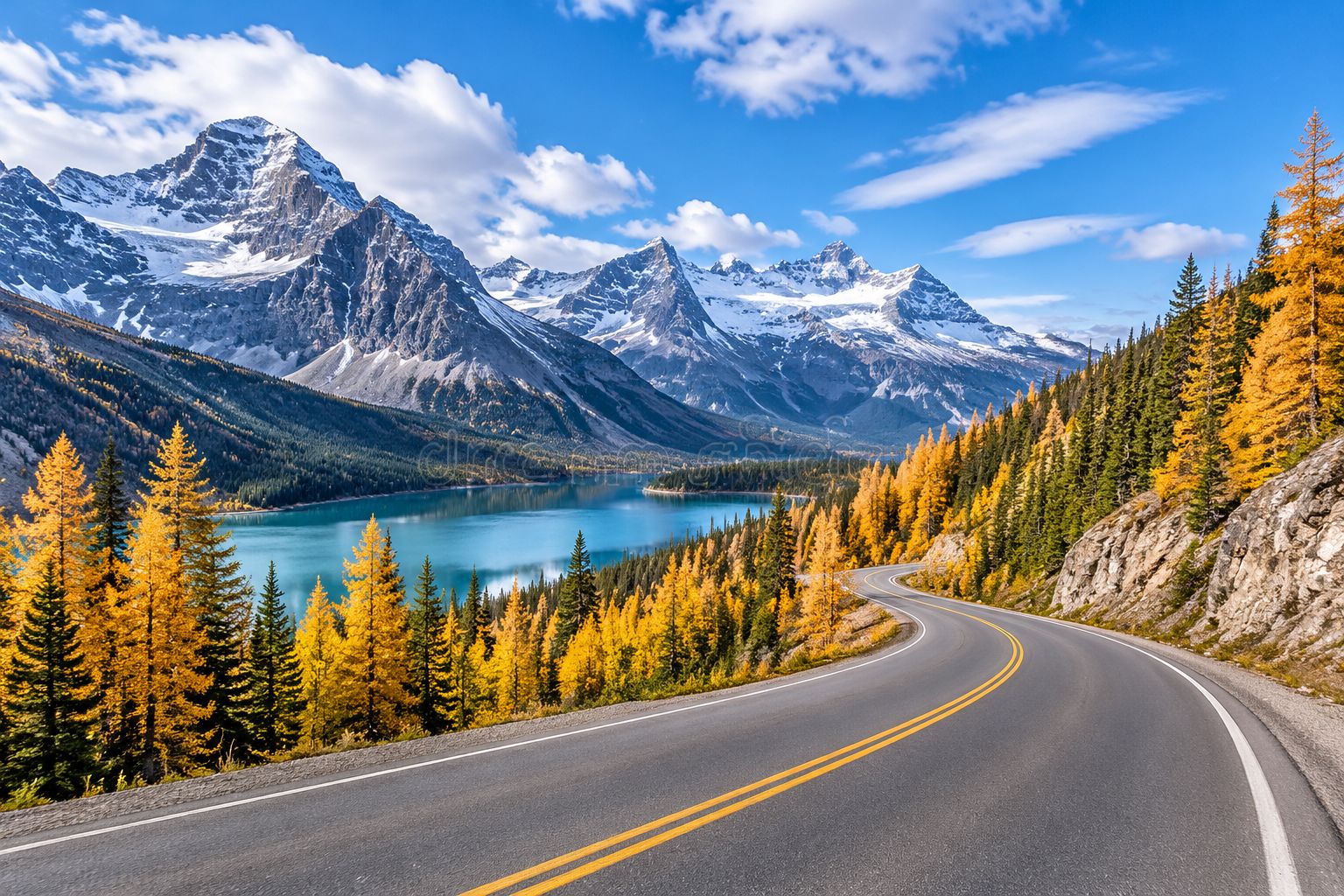
National Parks · Alberta
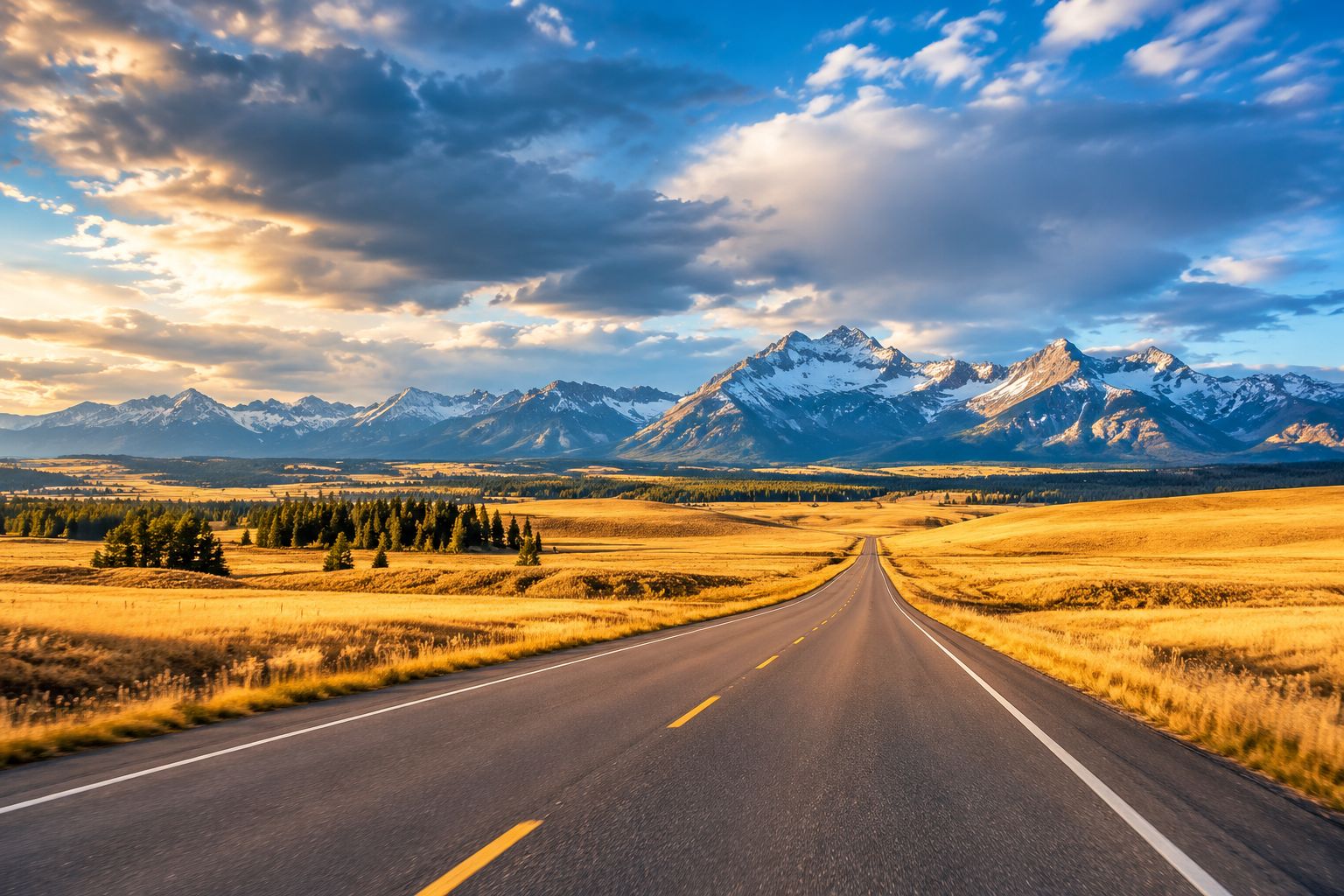
The Ultimate 7-Day Road Trip: Traversing Banff and Jasper National Parks
A practical week on the Icefields Parkway: pacing, booking windows, wildlife rules and the viewpoints worth your time.
Read the guide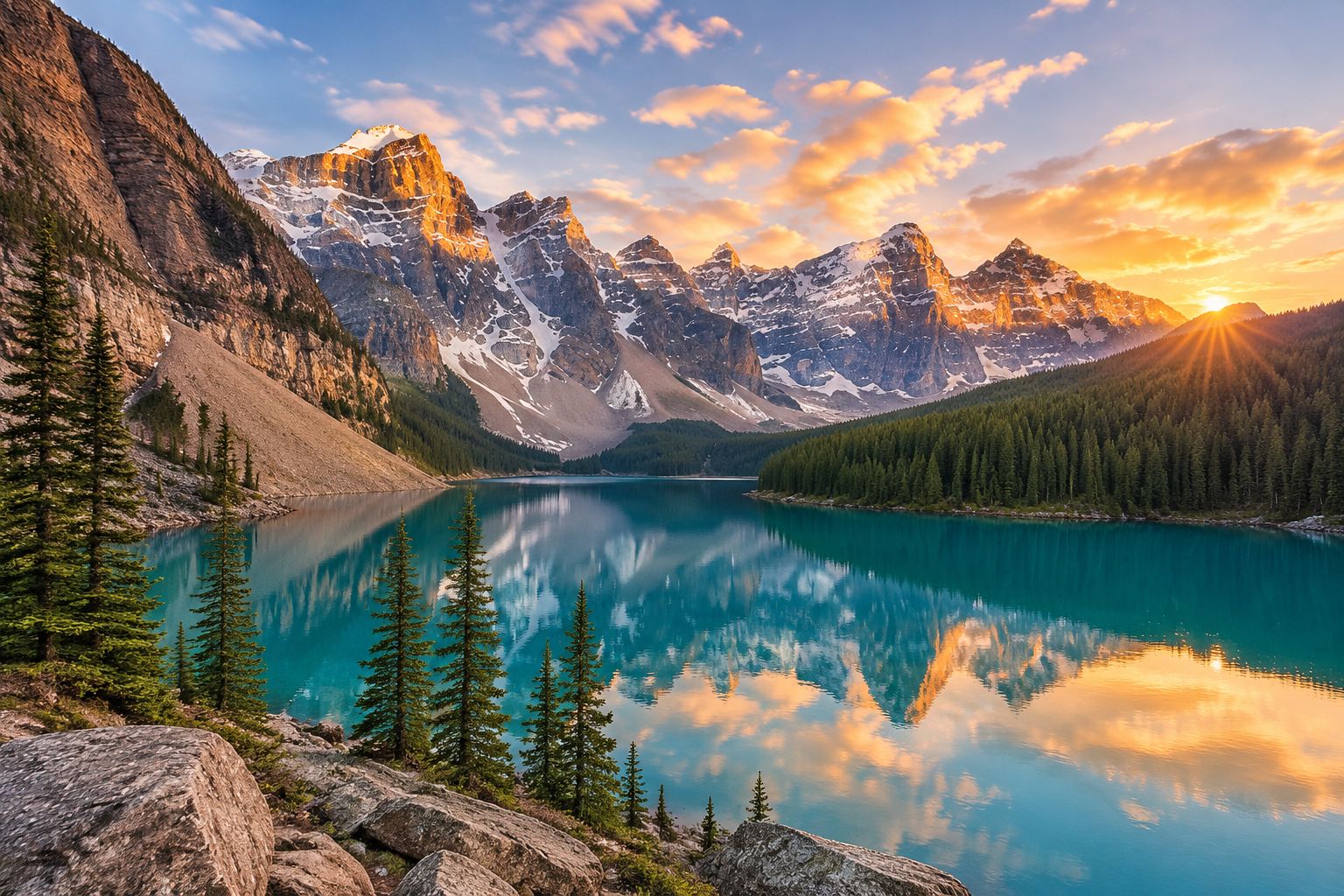
Independent Canadian travel guide
Expert insider advice, curated hiking trails, and authentic cultural journeys across all Canadian provinces and territories.
From the editors
Canada spans six time zones, three oceans and an enormous range of climates. A good trip depends on details that are easy to miss: how long a mountain drive takes once you stop at every lookout, whether a national park requires a pass, and which season gives you open roads and manageable crowds.
Our guides combine on-the-ground reporting with the official sources that govern parks, transport and local rules. Each article explains the route, the timing, the costs to check and the safety points that matter, so you can plan with confidence.
Destination guides
Each guide includes a table of contents, a reading time estimate and an author bio. Use the search box above to filter by place or theme.
National Parks · Alberta
A practical week on the Icefields Parkway: pacing, booking windows, wildlife rules and the viewpoints worth your time.
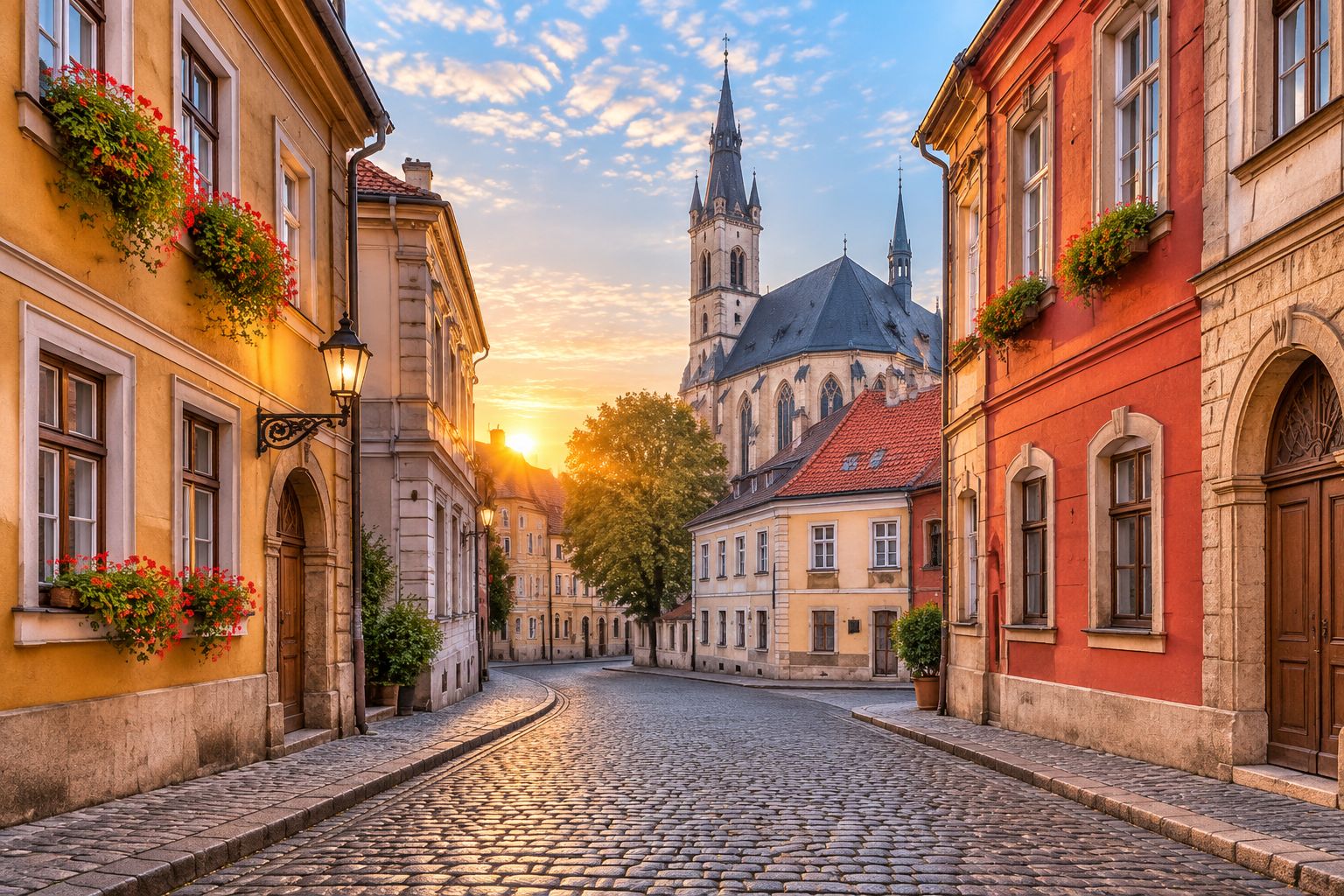
Read the guideCity Guides · Quebec
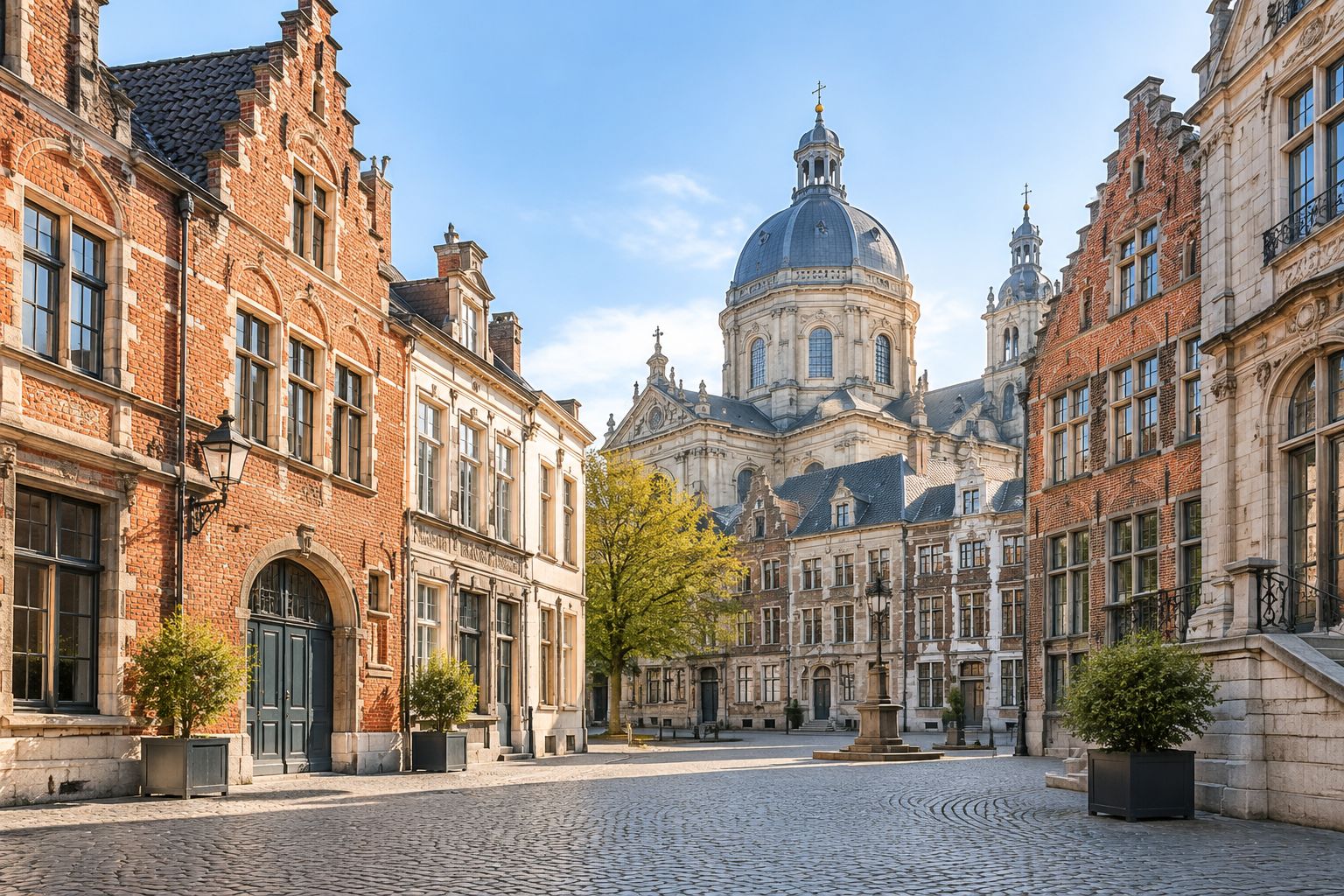
Two walkable days inside the historic walls: landmarks, stairways, bakeries and the dishes Quebecers actually eat.
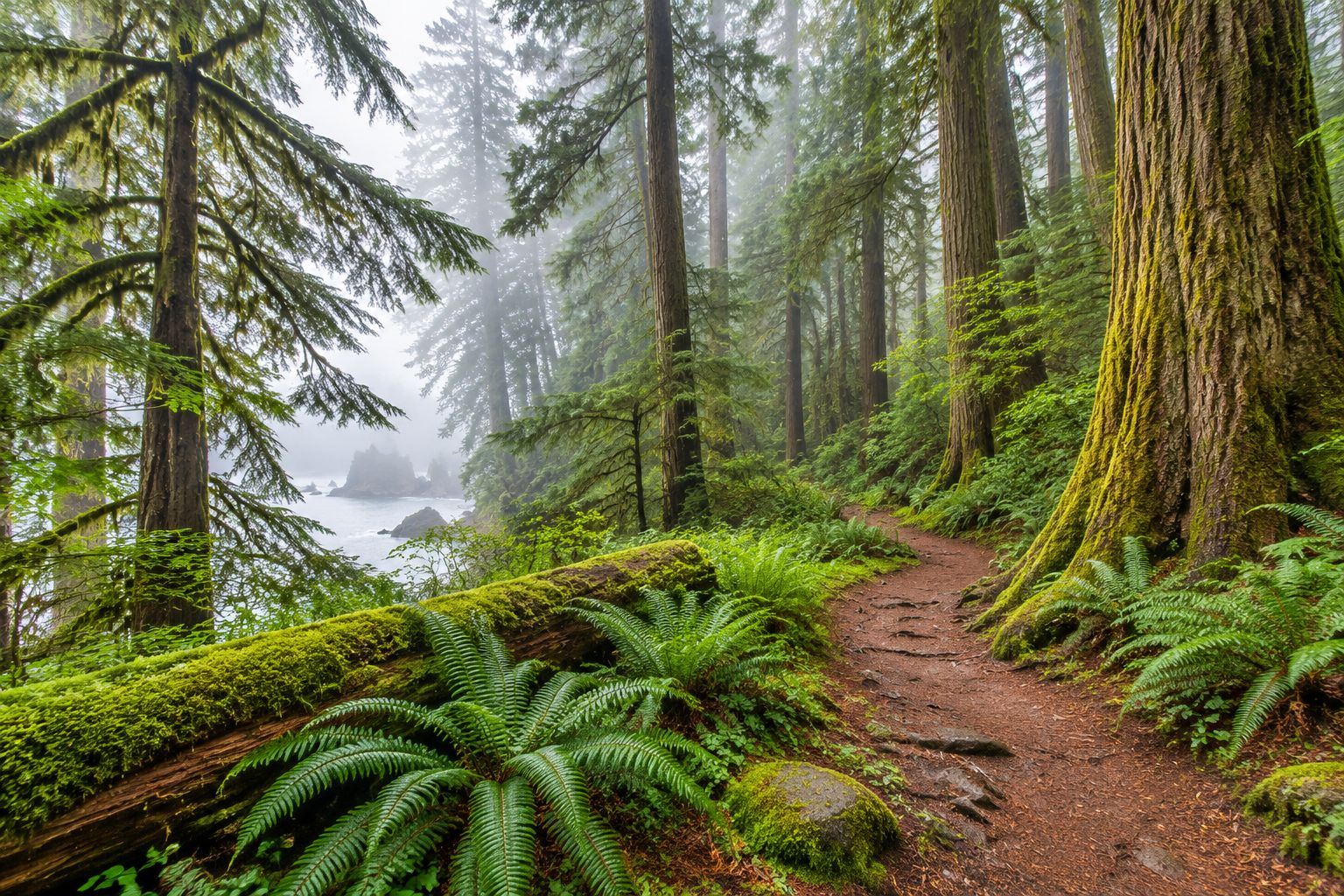
Read the guideNational Parks · British Columbia
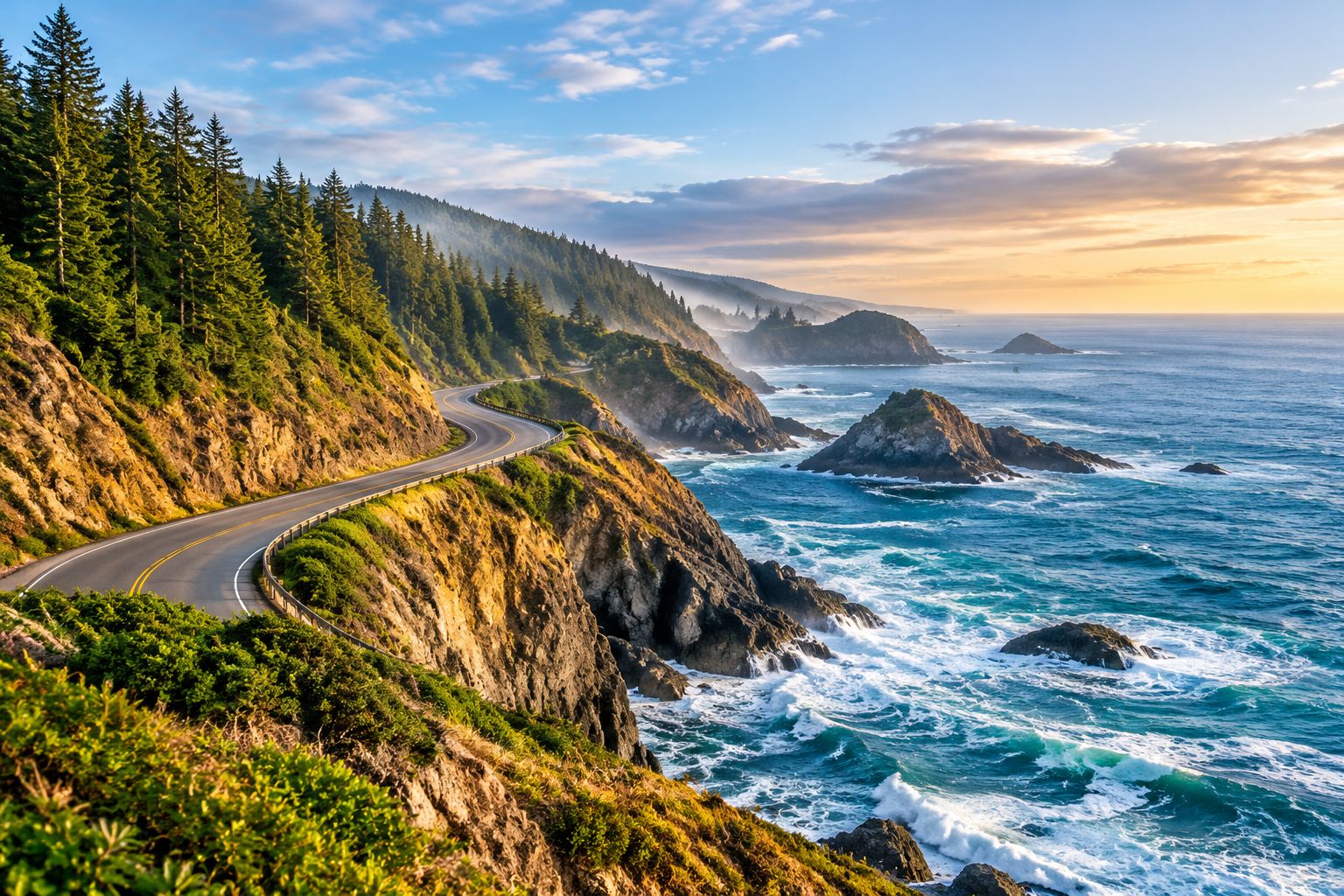
Old-growth groves, Pacific surf and whale-watching seasons on the west coast of Vancouver Island.
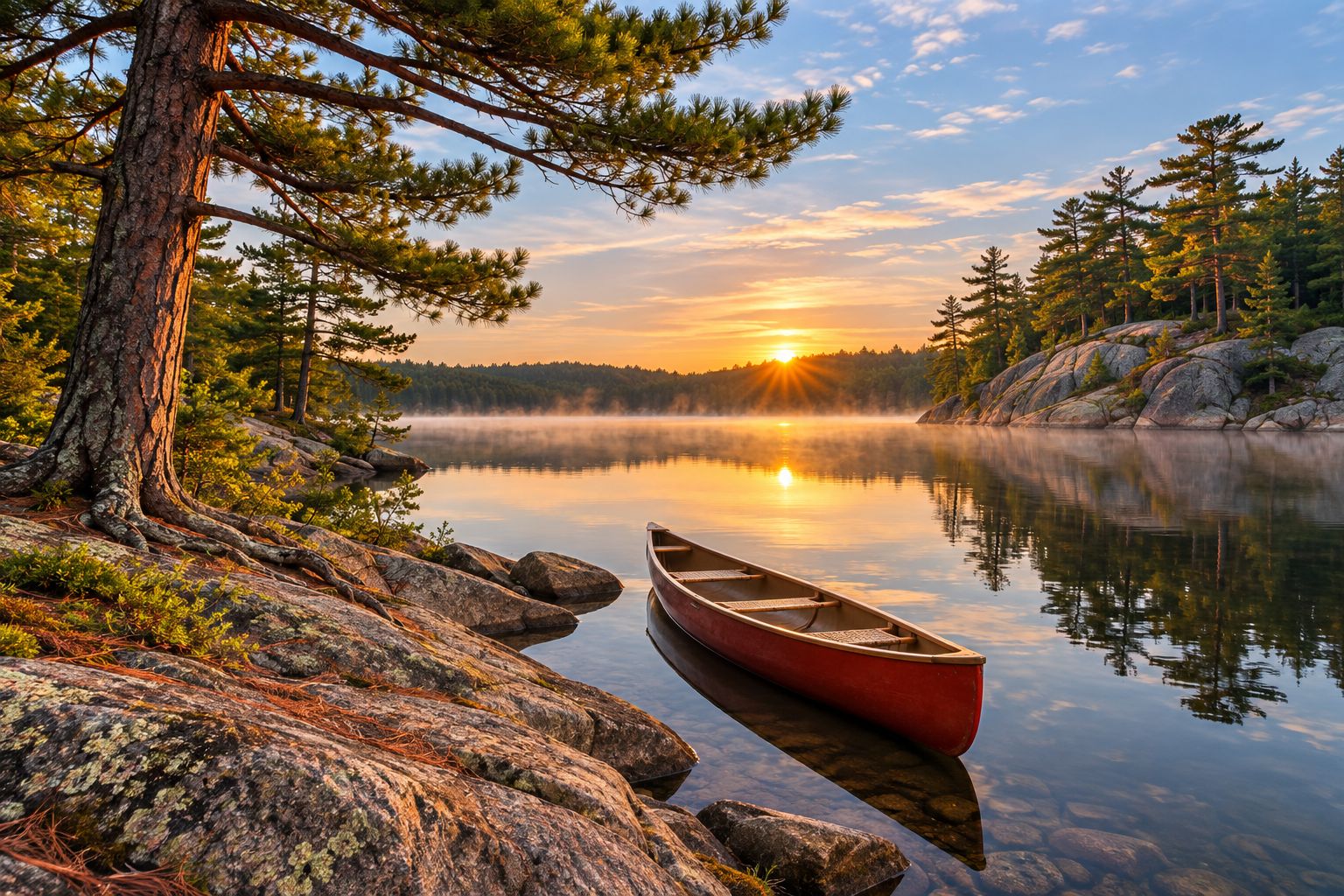
Read the guideNational Parks · Ontario
Eight lesser-known Ontario provincial parks for quiet canoe routes, lakeside sites and Canadian Shield scenery.
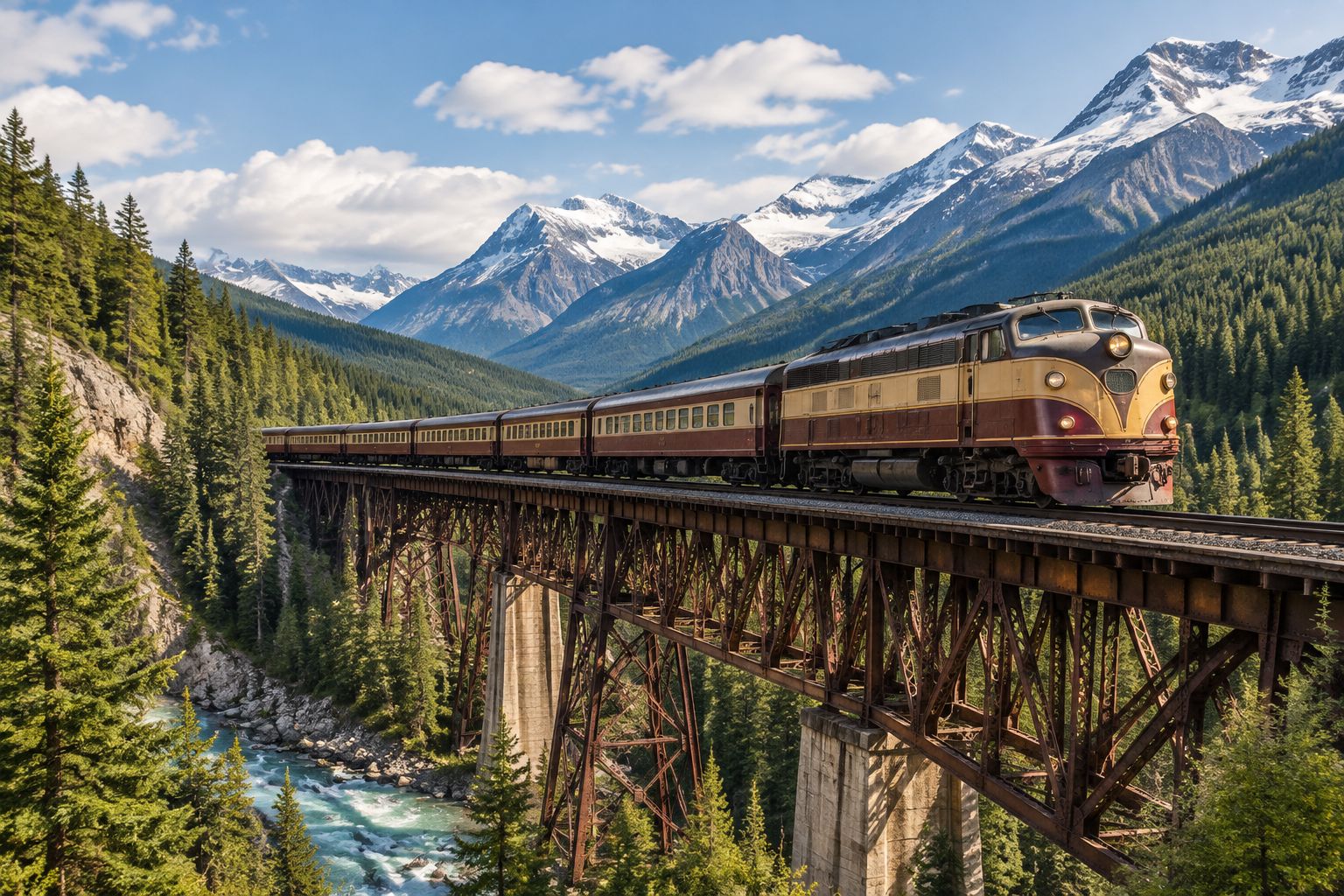
Read the guideSeasonal Travel · Canada-wide
How to choose between the Canadian, the Ocean and private mountain rail tours, with timing and cabin advice.
Read the guideScenic Road Trips · Alberta
The Trans-Canada corridor from Calgary to Banff, with viewpoints, Kananaskis detours and historic stops.
Read the guideCity Guides · Quebec
Old Montreal, the Plateau, Mile End and Griffintown, with architecture, bagel shops and market streets.
Read the guideScenic Road Trips · Nova Scotia
The Cabot Trail loop in Cape Breton: driving direction, fog, hills and the lookouts that deserve a stop.
Read the guideSeasonal Travel · Canada-wide
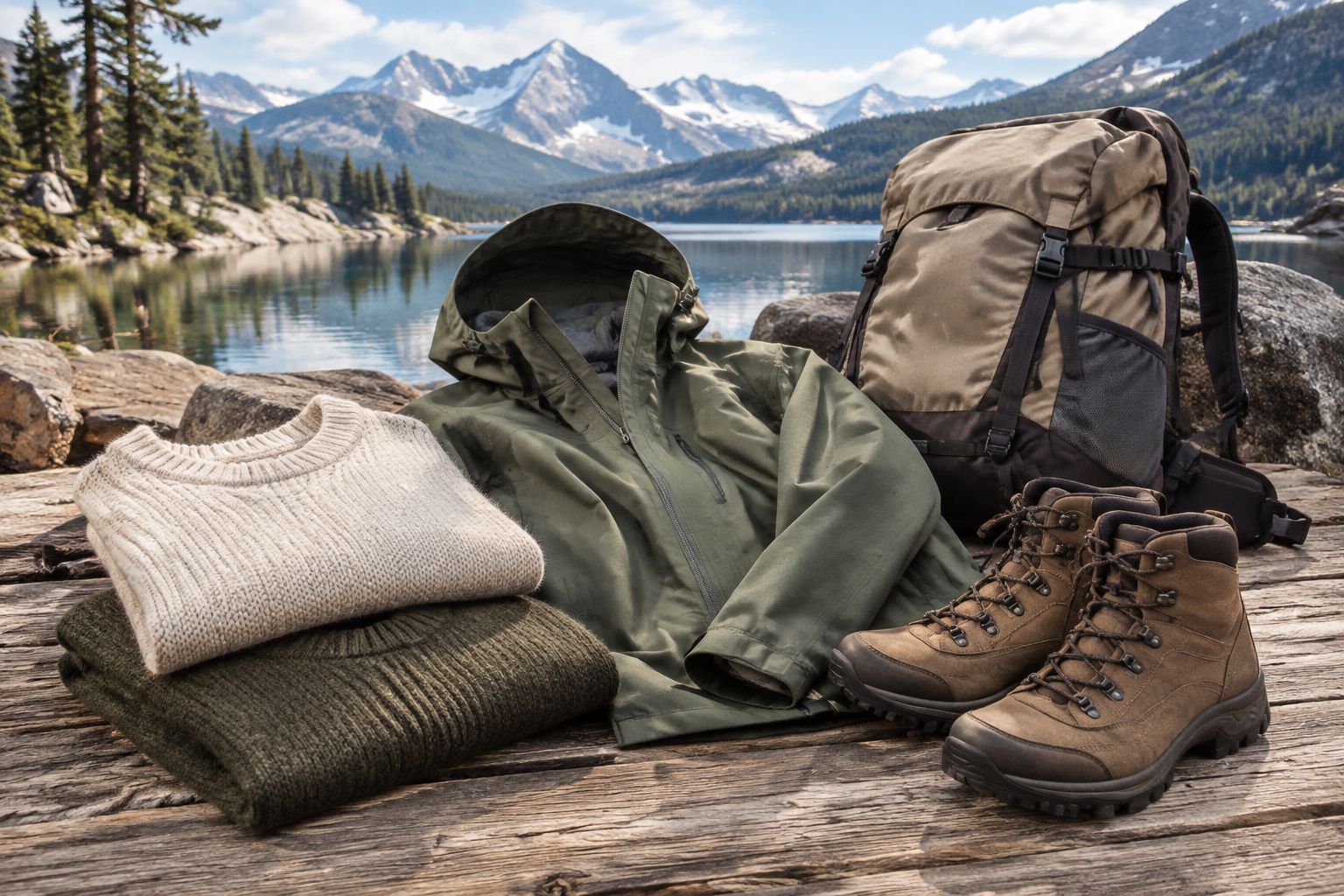
A layered packing system for every season, with safety items for bears, weather and long drives.
Read the guideNational Parks · Yukon
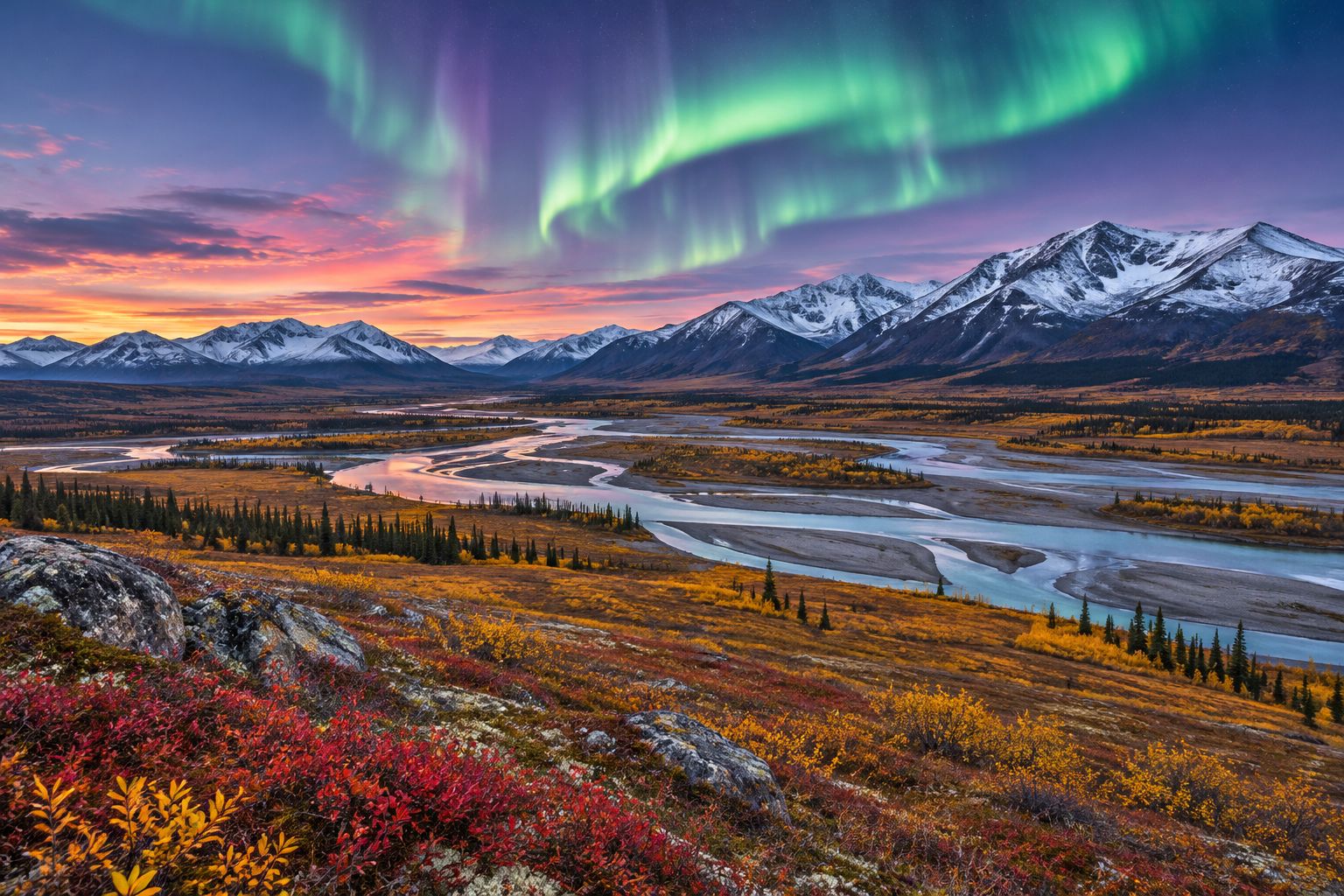
How to travel the Yukon lightly: wildlife distance, First Nations protocols, local businesses and Leave No Trace practice.
Read the guideCity Guides · British Columbia
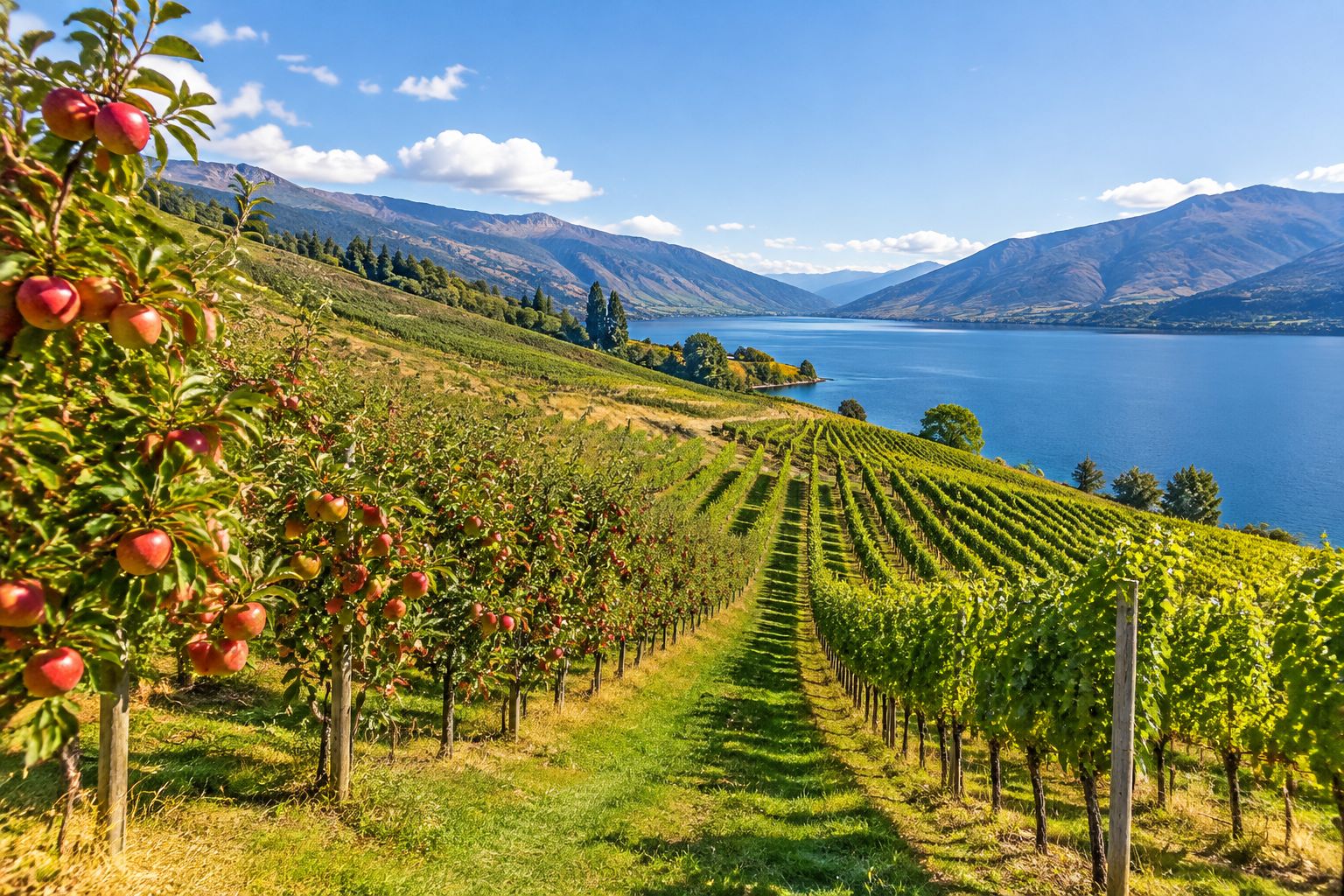
Wineries, cideries and orchards around Kelowna, Penticton and Naramata, with a planning guide for the season.
Read the guideBrowse by category
Mountain, coastal and northern parks, with practical notes on wildlife, passes and seasons.
Driving routes with viewpoints, lookouts, fuel planning and safety advice.
Walkable neighbourhoods, historic cores, food and wine regions.
Rail journeys and packing guidance for every season.
Who writes this
Guides are written by a Canada-based editorial team that includes travel journalists and experienced hikers, paddlers and winter road-trippers. Authors are identified on every article, and bios describe their area of focus.
We verify key facts against primary sources such as Parks Canada, provincial and territorial park agencies, transport operators and the Government of Canada, and we date every guide so readers know when it was last reviewed.
Free download
A one-page planning checklist covering route timing, park pass checks, seasonal packing and road trip safety. Enter your details to request it. Until email delivery is connected, the same checklist is available instantly on the planner page.
Open the printable Road Trip Planner if you prefer to download it without signing up.
Questions
Most national parks charge an entry fee for visitors. The Parks Canada Discovery Pass covers entry to national parks, national historic sites and national marine conservation areas for a set period. Fees, pass types and what each pass includes change over time, so check the current Parks Canada website before you travel. Some parks also require separate reservations for campgrounds, backcountry permits or shuttle buses.
Canada is large, so conditions vary sharply by region. Coastal British Columbia is wet and mild, the Prairies are hot in summer and cold in winter, and the North can drop below freezing in every month. Mountain weather changes quickly at any time of year. Check a regional forecast and the park's own conditions page rather than relying on a single city's temperature.
Most mountain highways are fully open from late spring to early autumn. Snow can close passes from late autumn through spring, and some roads are gated seasonally. Late June to September gives the most open roads, but also the most traffic. Early summer and early autumn tend to balance weather and crowds well.
Keep your fuel tank at least half full on remote routes, because services can be hundreds of kilometres apart. Carry water, warm layers, a first-aid kit and a charged phone with a backup battery. In winter, add traction gear and a shovel. Check road conditions before departure, drive at reduced speed in park zones, and never stop on the shoulder of a highway to photograph wildlife.
Stay at least 100 metres from bears and 25 metres from other large wildlife. Do not approach, feed or follow animals. If a bear approaches, stay calm, speak firmly, back away slowly and use bear spray if the animal charges. Report sightings to park staff when you can.
Each article shows the month it was last reviewed. Opening hours, fees, trail conditions and transport schedules change, so treat our guides as a starting point and verify those details with the official source before you travel.
April to June
Melting snow and high water on rivers. Trails are muddy, but wildlife is active and the crowds are light.
July to September
Peak season for parks and campgrounds. Book early, pack insect repellent and expect afternoon storms in the mountains.
September to November
Golden larches and quieter roads. Nights turn cold quickly, and some mountain roads close later in the season.
December to March
Snow, ice and shorter daylight. Carry traction devices and a winter emergency kit, and check road closures before driving.