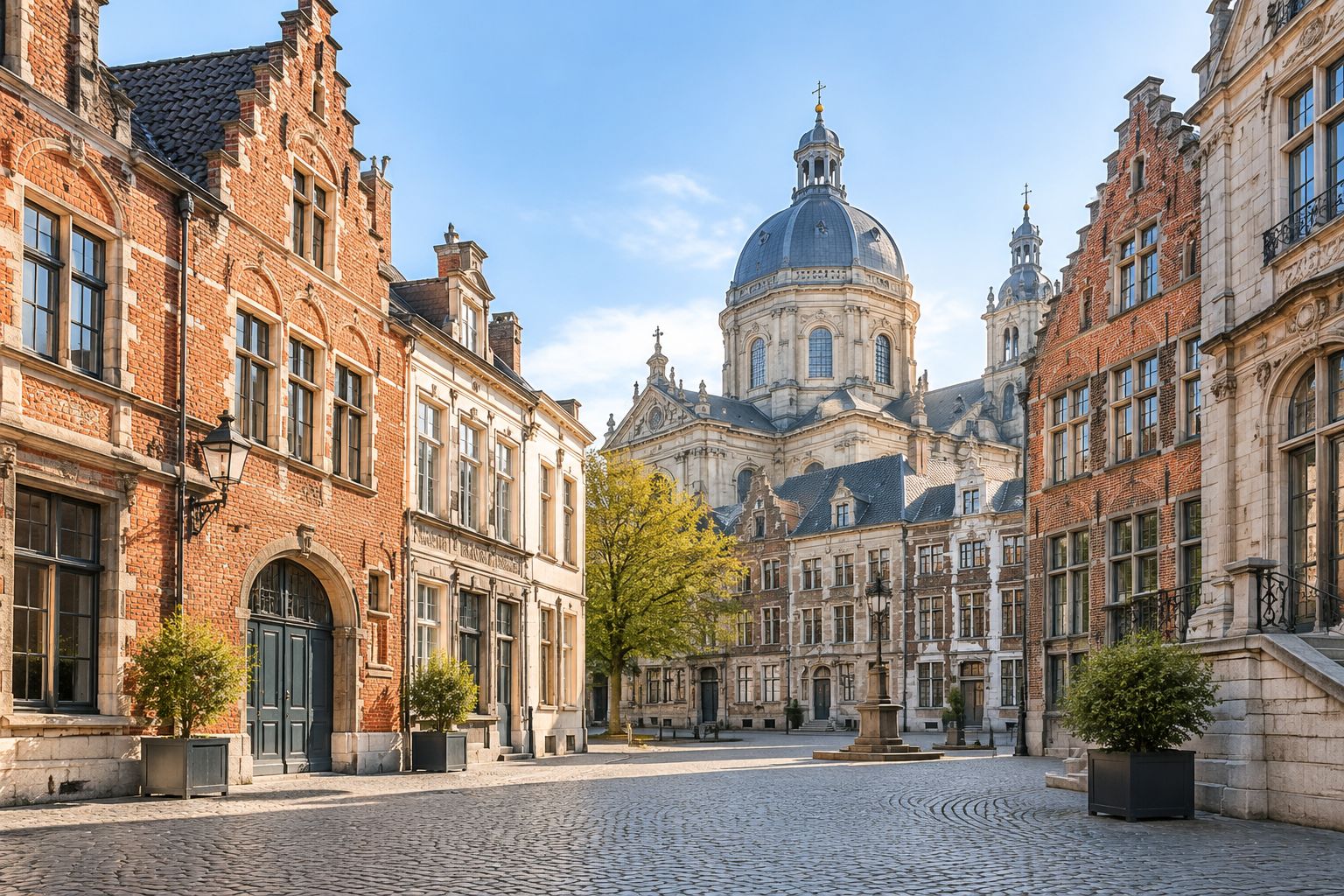
Old Montreal and the port district
Old Montreal, the historic core along the Saint Lawrence waterfront, is defined by stone warehouses, cobbled squares and the Notre-Dame Basilica. The basilica's neo-Gothic interior is among the most impressive churches in North America. Old Montreal is busiest on weekends, so visit early for photography and quieter cafes.
Griffintown, just south-west of the old town, has transformed from an industrial area into a dense district of converted lofts, galleries and new restaurants. Its history is visible in the brick factories that remain between newer buildings.
The Plateau and Mile End
The Plateau-Mont-Royal is known for its outdoor staircases, painted murals and triplex houses with winding metal stairs. Mont-Royal Avenue is the main shopping street, and the side streets are good for walking without a plan.
Mile End, north of the Plateau, is famous for its artisan bakeries and bagel shops. St-Viateur and Fairmount are two long-established bagel bakeries. Expect queues on weekend mornings, and buy extra to take home, because the bagels are best eaten fresh.
Architecture and cultural districts
Habitat 67, designed by Moshe Safdie for Expo 67, is a modular housing complex that remains a landmark of modern architecture. It is visible from the riverfront and can be seen from the outside during a walk along the Saint Lawrence.
The Quartier des spectacles, downtown, hosts festivals and performance venues, and Saint-Henri offers a more residential feel with independent shops. Jean-Talon Market in the Little Italy area is a useful stop for local produce, cheese and prepared food, particularly in summer.
Plan the rest of your trip
Download the printable Road Trip Planner or the four-season packing checklist to keep your itinerary, safety kit and bookings in one place.