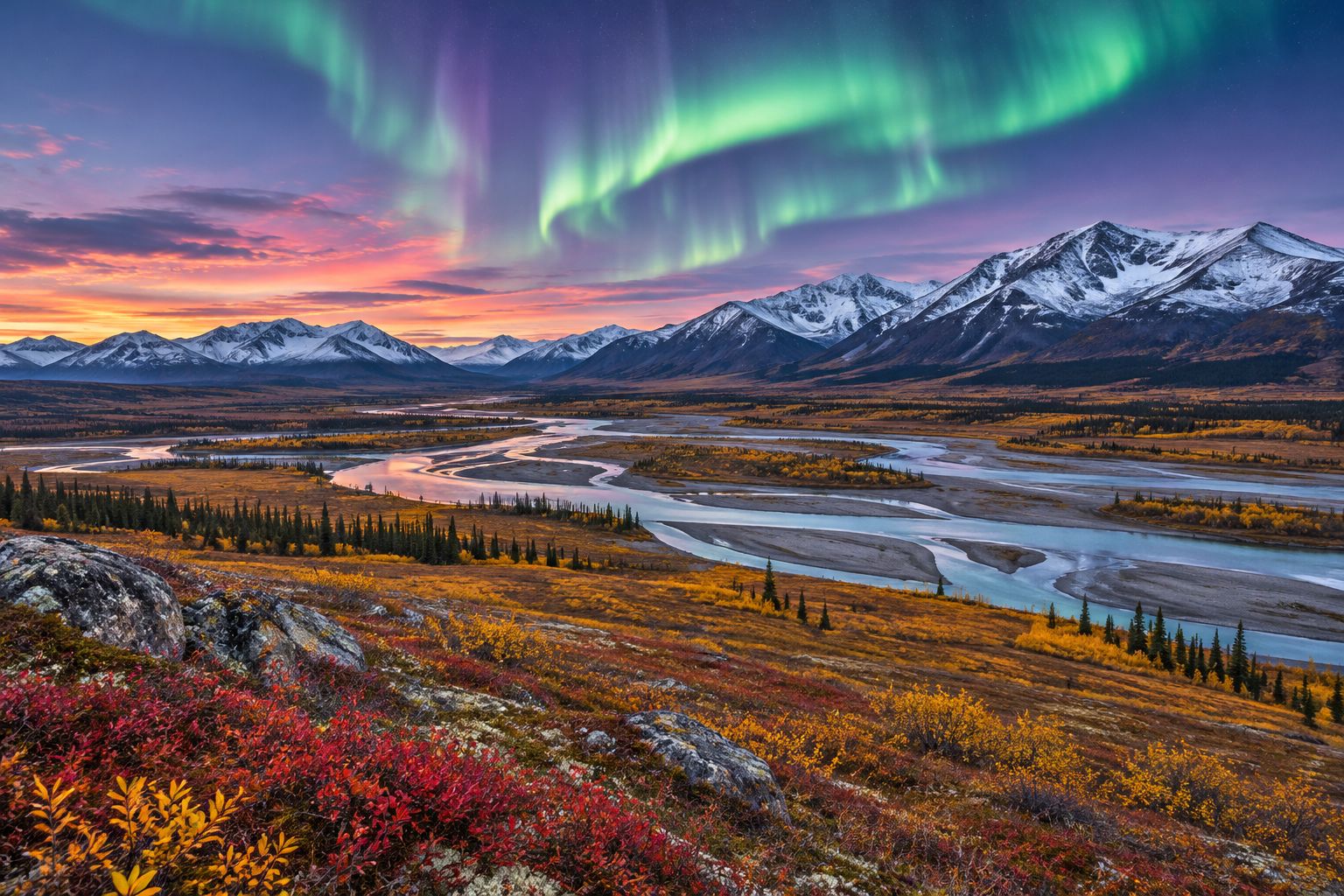
Why the North needs careful travel
The Yukon has a small population and vast wilderness, with ecosystems that recover slowly from disturbance. Kluane National Park and Reserve, a UNESCO World Heritage Site, protects some of the highest peaks in Canada and large icefields. Travel here is most sustainable when visitors reduce their footprint, respect local communities and support Indigenous-led and local businesses.
Tourism in the Yukon is closely linked to First Nations territories and the stewardship of their lands. Visitors should learn the names and history of the First Nations whose traditional territories they are visiting, and follow local protocols for cultural sites.
Practical responsible travel
Keep a respectful distance from wildlife, including caribou, moose and bears, and never feed animals. Stay on established trails to protect tundra vegetation, which can take decades to recover from a single footprint. Pack out all waste, including food scraps and tissues.
Choose accommodations and tours that publish their environmental practices, reduce single-use plastics and hire local guides. Fuel and supplies are limited on remote highways, so plan ahead and reduce unnecessary driving.
Routes, seasons and local culture
The Dempster Highway, a gravel route toward Inuvik, is a challenging drive that requires a well-prepared vehicle, spare tyres and a full emergency kit. Dawson City, with its gold-rush history, is a common base for exploring the central Yukon, and Whitehorse is the territorial capital with the most services.
Northern lights are visible on clear nights from late August to April. Check local tourism and Parks guidance before heading into remote areas, and remember that cultural sites are living places, not attractions to be photographed without permission.
Plan the rest of your trip
Download the printable Road Trip Planner or the four-season packing checklist to keep your itinerary, safety kit and bookings in one place.